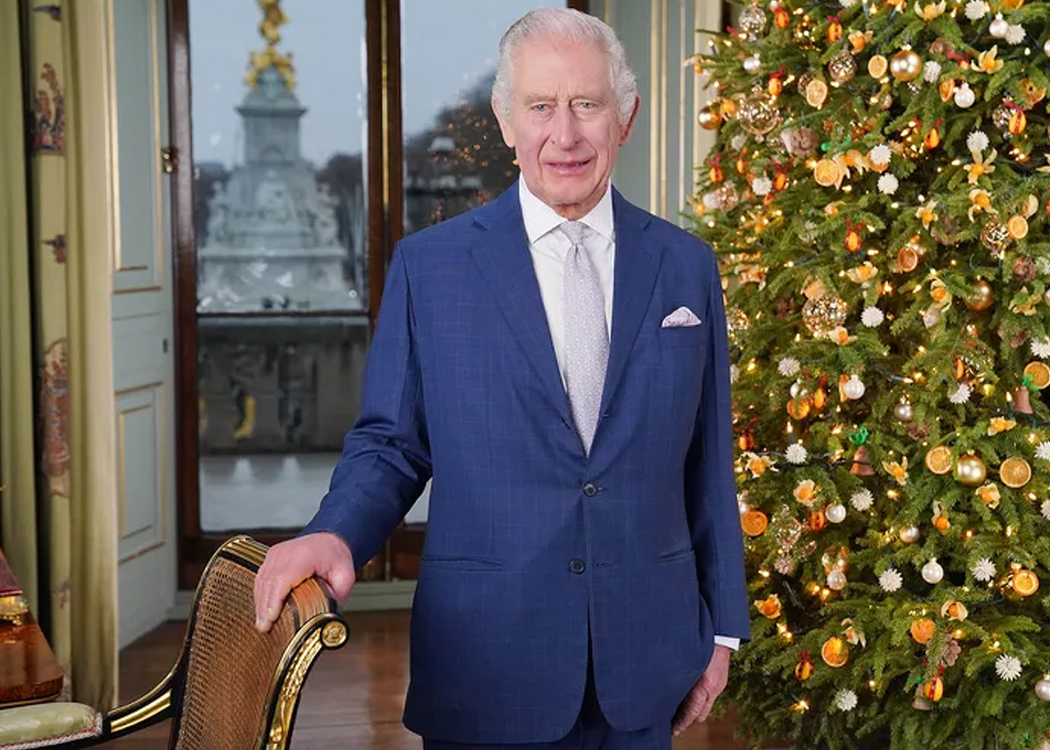

8.9.2022 was a date that will live on in history as it was when Queen Elizabeth the Second passed away after being the longest-reigning monarch in UK history. Even though we knew this was going to happen, the country’s security services and media had already prepared for this eventuality by coding it as Operation London Bridge, which was put into action whilst the nation collectively grieved.
Many of my colleagues stayed on the streets of London to watch the funeral cortege and lay their tributes in Green Park, which was carpeted in bouquets and tributes to the only monarch we had ever known. She was a constant in this modern Elizabethan age, with her profile immortalised on coins and postage stamps.
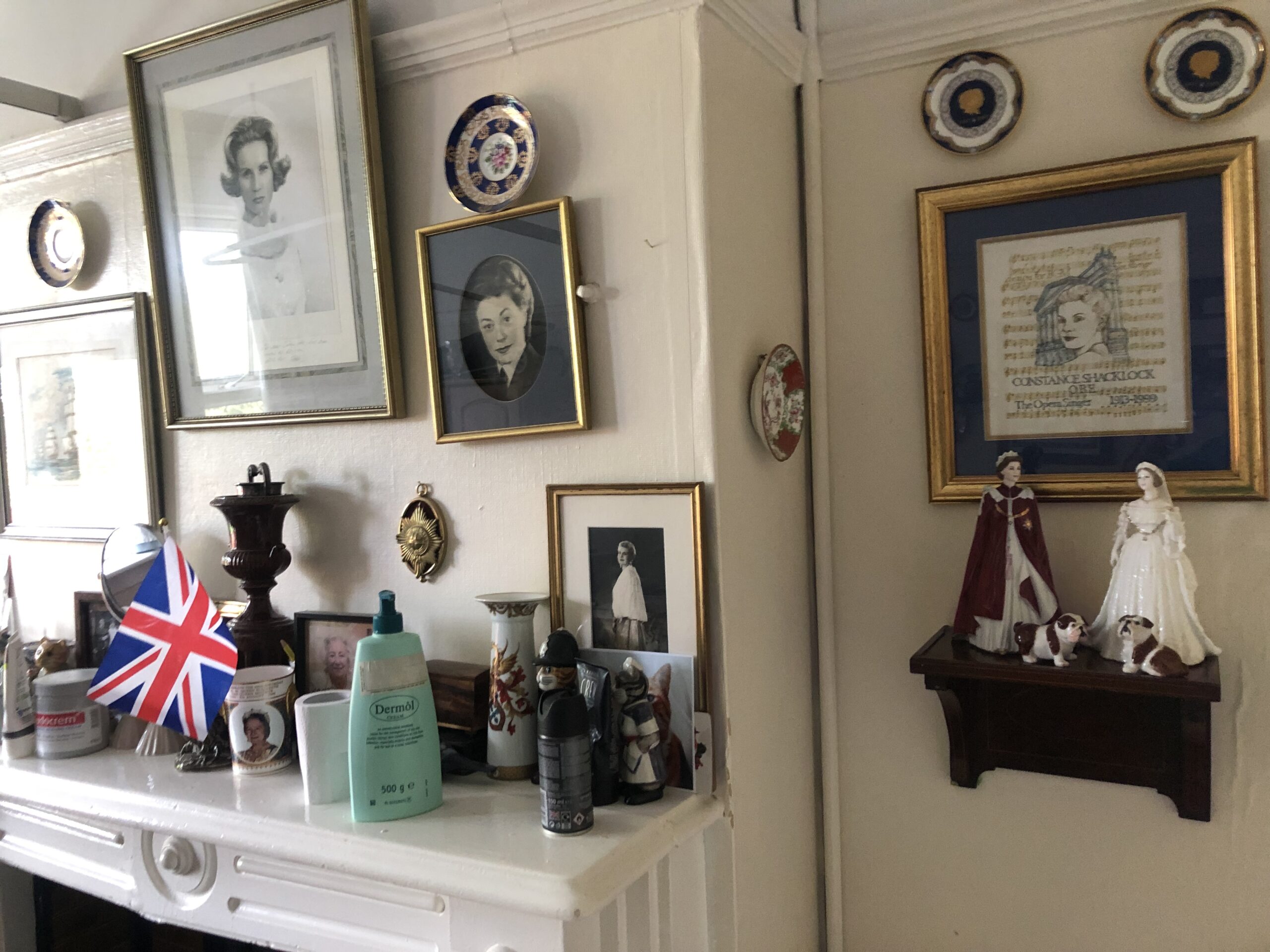
Her death was poignant for me as it coincided with the death of one of our patients in the residential care home we look after, who had a personal connection to Queen Elizabeth as he was one of her secretaries. He had faithfully served her for many years and had even dedicated gifts to her in Westminster Abbey but, through a set of tragic circumstances, was the victim of fraud when he was befriended by a scammer who had stolen cash and royal artefacts from him. Eventually, his local vicar discovered this and was able to put a stop to it, and after the involvement of social services, he ended up in this corner of South London.
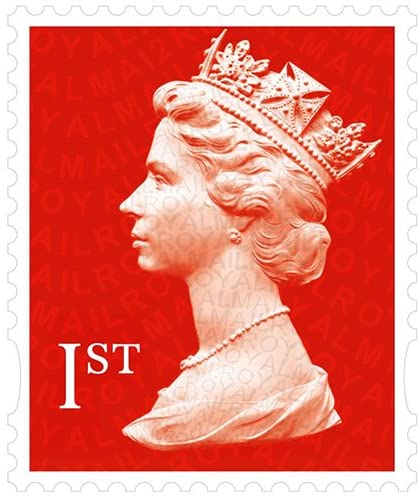
His room was a shrine to all things royal, and his English was the epitome of the Queen’s English. I particularly enjoyed seeing him on my weekly visits to the home because it gave me the chance to converse with him in the Queen’s English, which I was fluent in courtesy of my parents and my old school, Dulwich College. I would ham it up too, and we sounded like a couple of characters in a P.G Wodehouse novel…” How are you old boy?”
“Splendid doctor, couldn’t be better! And how are you doctor?”
“Top Hole, old fruit!”
Even though he profoundly had dementia, I always updated him on the latest news on the Queen, which always animated him and made his eyes light up. But when she passed away, I did not have the heart to tell him and adopted my usual strategy when dealing with dementia patients of telling them white lies. Despite that, was it a coincidence that he started to become withdrawn and quiet after Queen Elizabeth passed away and a week later, he passed away as well? I have seen this happen when a patient’s spouse passes away and soon after this they also pass away, some say this is of a “broken heart” but in this situation he did not known of her death unless the collective national grief was felt by him or something he felt in his soul. These are the types of events which doctors see, which defy scientific explanation but humbles one to the many mysteries of life.
The Queen’s passing was also momentous because it changes the landscape of memories and is a fundamental question that is asked when testing people to check for memory loss. What would we be asking patients now, “who is on the throne?” Especially if we changed to asking, “Who is the prime minister?” is more likely to result in anger and derision because of the recent circus we have all experienced over the past few years! A year later, on the anniversary of the Queen’s passing away, I purchased the space for this platform plus September is also World Alzheimer’s month and serendipitously, it was also on the holiest day of the week for Muslims, Friday and I hope these coincidences augur well for the future of this resource in contributing to information for carers and the cared for.