
For those of a superstitious nature, Friday the 13th is considered unlucky, but for myself and my colleagues, it was of great fortuitous significance and may have saved our lives and those of many of our patients from COVID-19 as it was the date (13.3.2020) that we decided to go into lockdown as a practice and locked the doors of the care home that we look after. We thank the Lord for this foresight as the country went into national lockdown ten days later and as the UK COVID-19 inquiry rumbles on, and with the benefit of hindsight, those in Government felt national lockdown should have been three weeks earlier to prevent the tsunami of cases and deaths in the first wave of the pandemic.
I don’t envy the heavy responsibility of those in power to make critical life-changing decisions about our country, and as healthcare workers, we are all too familiar with being wise after the event when we review the deaths of our patients and if these could have been avoided. However, lessons must always be learned from tragedies and even near misses.
Unlike some of those being questioned at the COVID-19 inquiry, I have kept all the messages on our practice’s WhatsApp group, which are a mix of gallows humour, incredulity and stoicism, which is part of the DNA of those who work in the NHS but reveal the signs and memes circulating on the internet about this mysterious virus were evident from December 2019. That in itself would not be a reason to go into lockdown as I have previously seen similar comments made about swine flu, which did not become the pandemic illness COVID-19 became, but GPs like myself who have lived and worked in one location are well-placed to see emerging threats. This is exemplified by the conversation I had with our local Microbiology team about a patient who had returned from Rome after a Valentine’s weekend with flu-like symptoms. At that time, the advice being given was Northern Italy was a focal point of the disease, but in our increasingly mobile societies, can Rome be considered to be a COVID-free area? I was told that it was unlikely to be COVID and that our local hospital was testing about 70 people a week, whereas the larger teaching hospital a few miles away was testing 70/day. Hindsight is a wonderful thing, but when our senior GP partner saw an extremely ill patient on 27.2.2020, who happened to be a charge nurse in the NHS, and was sent to the hospital and was confirmed to have COVID-19, we knew the virus had arrived! We discussed this as a practice, and with mounting evidence of a spike in respiratory diseases at a time when this is towards the tail end of the flu season, we decided to ask the manager of the care home we look after to close their doors. After some umming and ahing, we closed our practice doors on 13.3.2020 and started remote consultations via phone and video consultation. I sent our senior partner to work from home as he had all the risk factors which were the hallmarks of those who died of COVID-19 amongst our NHS colleagues in the first wave, older BME males with comorbidities. Ironically, the patient who was sent to the hospital on 27.2.2020 died on 13.3.2020, and having been seen on a Friday afternoon when our waiting room was packed like Piccadilly Circus, we are grateful more people were not affected, but this was more by luck than design.
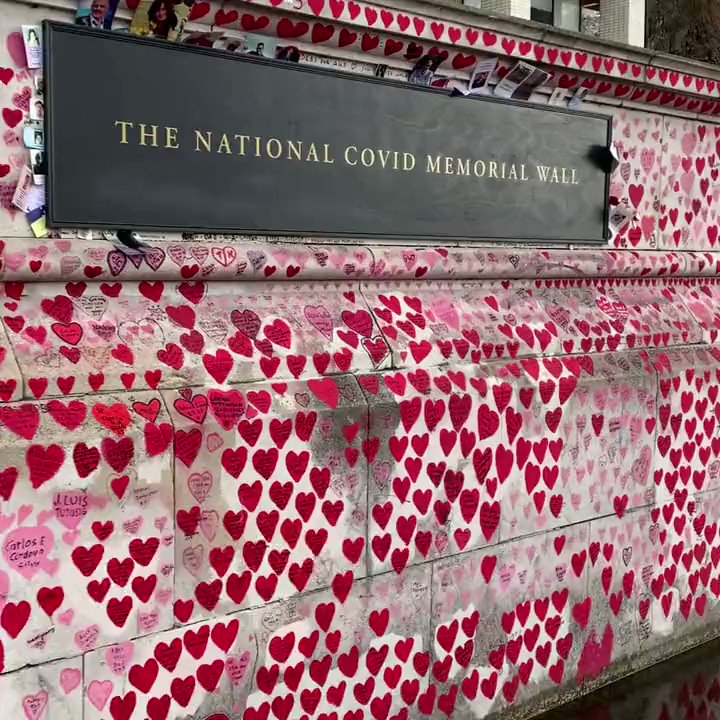
As a practice, I am proud to say that we lost none of our staff to COVID-19 despite our risk factors, and our senior partner, who subsequently retired on 31.3.2020, is still alive and well but what prompted me to write this piece for the Who cares blog was hearing the statements made by the former Health Secretary Matt Hancock during the inquiry where he reiterated how the Government would “strengthen the protective ring we have cast around all our care homes”. This flies in the face of the data as 43,256 people died in care homes from March 2020 to January 2022, and our own experience because we went into lockdown on our own initiative ten days before the Government’s decision.
Besides the prevention of illness or death of our colleagues from COVID-19, we did not lose a single resident of our care home from COVID-19 during the entire pandemic, and it was only in November of this year that one of the residents got COVID-19 and passed away peacefully at the home. Credit where it’s due, the Government’s vaccine programme meant the elderly and frail in the home survived, and when they did get COVID-19, their symptoms were mild and did not result in any hospital admissions or serious ill health.
There are many lessons to learn in preparation for the next pandemic, by which time I doubt I will still be practising as a clinician, but the agility of General Practices to identify these issues and rapidly respond and innovate needs to be strengthened. However, we are witnessing the erosion of Primary Care and the haemorrhaging of the NHS, and I fear that the biggest casualty of the COVID-19 pandemic will be the NHS we proudly serve and the saluting of our staff at 20:00 on Thursdays with clapping and banging of pots and pans will be a distant memory.